
Las Vegas Shows
Find tickets to upcoming Las Vegas concerts and shows. Even if the show is sold out, tickets may still be available.
Learn More
Find tickets to upcoming Las Vegas concerts and shows. Even if the show is sold out, tickets may still be available.
Learn More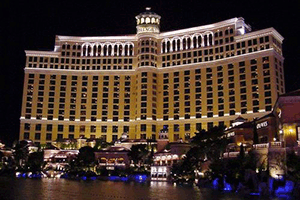
Browse Las Vegas hotel options with Strip views, resort amenities, pools, restaurants, and more.
Learn More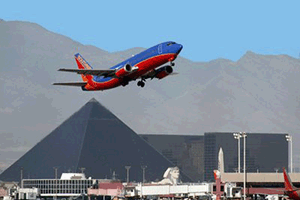
Find flight options and start planning your next Las Vegas getaway with convenient travel resources.
Learn More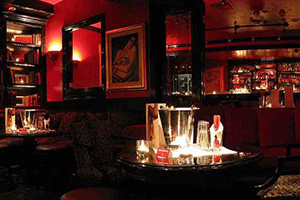
Explore cozy bars, lounges, and mega nightclubs offering exciting nightlife options across Las Vegas.
Learn More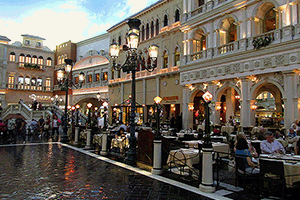
Explore fine dining, casual favorites, fusion restaurants, and chef-driven Las Vegas dining options.
Learn More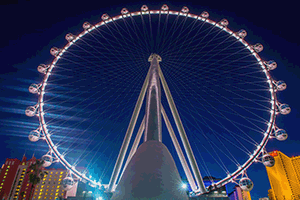
Discover museums, observation wheels, adventure experiences, and other Las Vegas attractions.
Learn MoreSearch for casinos, hotels, sportsbooks, restaurants, bars, shows, attractions, nightlife, and entertainment venues near a city, state, ZIP code, or Las Vegas location.
Search query:
Results open through external search providers because this no-API version does not maintain a live Las Vegas entertainment, casino, hotel, restaurant, or attraction database.
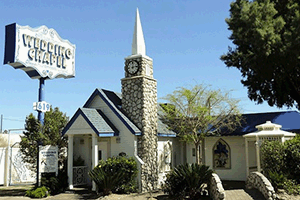
Find chapels, packages, consultants, legal information, and services for planning a Vegas wedding.
Learn More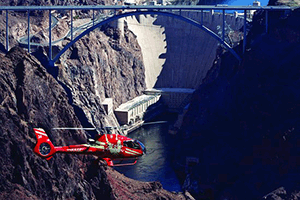
Tour the Grand Canyon, Hoover Dam, Lake Mead, Red Rock Canyon, the Strip, and nearby destinations.
Learn More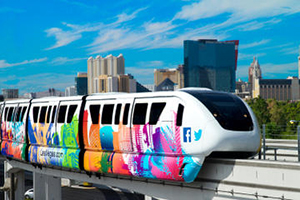
Explore airport shuttles, limos, taxis, buses, rental cars, and monorail options in Las Vegas.
Learn More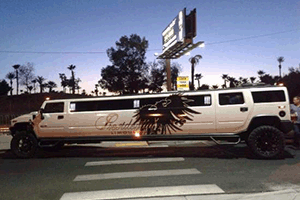
Find florists, photographers, formal wear, consultants, transportation, and other wedding services.
Learn More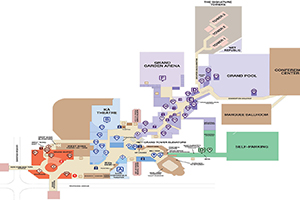
View selected hotel, resort, casino, arena, and venue maps to understand Las Vegas layouts.
Learn More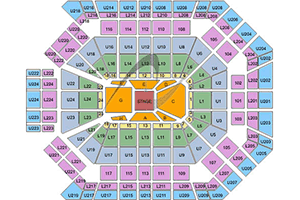
Review seating charts for theaters, arenas, and other Las Vegas entertainment venues.
Learn MoreLas Vegas holds a unique place in American travel culture. It is known worldwide as a destination for casino gaming, live entertainment, luxury resorts, nightlife, dining, conventions, sports, shopping, sightseeing, and special events. What began as a desert gambling town has become one of the most recognizable entertainment centers in the world, attracting visitors who come for everything from casino action and headline shows to family attractions, business conferences, fine dining, weddings, and outdoor adventures.
The official Las Vegas tourism site presents the city as a destination for hotels, shows, events, casinos, pools, restaurants, nightlife, and things to do, reflecting how broad the city’s appeal has become. Las Vegas is not just a gambling destination; it is a complete entertainment marketplace built around choice, spectacle, convenience, and round-the-clock activity.
Gambling remains one of the central reasons Las Vegas is famous. The city’s major casino resorts combine gaming floors with hotel towers, restaurants, bars, lounges, shopping areas, theaters, spas, pools, nightclubs, and convention facilities. This resort model is one of the reasons Las Vegas differs from smaller gambling markets. Visitors are not simply entering a casino; they are entering a themed entertainment environment designed to keep dining, gaming, nightlife, and shows within easy reach.
On the casino floor, guests can find traditional table games, slot machines, video poker, poker rooms, sportsbooks, high-limit salons, and loyalty programs. Sports betting has also become a major part of the Las Vegas identity, especially during football season, March basketball tournaments, boxing events, UFC fights, and major championship games. The casino floor is both a gambling space and a social gathering place, often connected directly to restaurants, bars, and entertainment venues.
The Las Vegas Strip is one of the most famous resort corridors in the world. Its hotels and casinos are known for large-scale architecture, bright marquees, themed interiors, fountains, shopping promenades, and massive entertainment venues. Many resorts contain showrooms, clubs, restaurants, lounges, spas, pools, and arena-style spaces, making the Strip a concentrated entertainment district rather than a typical downtown or hotel zone.
The Strip has evolved over decades. Earlier versions of Las Vegas emphasized casino gaming and lounge entertainment. Modern Las Vegas still includes gambling, but now places equal emphasis on major productions, celebrity-chef restaurants, luxury shopping, wellness experiences, nightlife, sports, and immersive attractions. This diversity helps the city appeal to many types of visitors, including gamblers, couples, convention attendees, families, international tourists, sports fans, and people who simply want a high-energy weekend escape.
Entertainment is one of the strongest pillars of the Las Vegas economy and brand. The city is famous for Cirque du Soleil productions, magic shows, comedy, tribute acts, concerts, residencies, variety shows, burlesque, illusionists, and specialty performances. Unlike touring entertainment that may visit a city for one night, Las Vegas allows visitors to choose from many shows on the same trip.
Las Vegas has also become a leading home for headline residencies. Major singers, bands, comedians, DJs, magicians, and specialty performers often schedule extended runs at Las Vegas venues. This gives visitors a chance to plan a trip around a specific performer while also enjoying hotels, restaurants, nightlife, and casino gaming in the same destination.
The official Las Vegas visitor site highlights shows and events as a major part of the destination, describing Las Vegas as a place with high-quality entertainment available every night. That continuous calendar is important. Las Vegas does not depend only on one season, one festival, or one annual event. Its entertainment schedule is built to operate throughout the year.
Las Vegas has grown into one of America’s most important restaurant cities. The dining scene includes steakhouses, buffets, fine dining rooms, celebrity-chef restaurants, international cuisine, cocktail lounges, casual food courts, late-night dining, and hidden bars. Visitors can choose between quick meals, luxury tasting menus, classic casino dining, rooftop lounges, and themed restaurants.
Dining is important because it broadens the city’s appeal beyond gaming. A visitor may come for a show, but the restaurant reservation, cocktail lounge, or brunch experience becomes part of the trip. Resorts use restaurants as attractions, and many visitors build their itineraries around where they want to eat. This helps explain why Las Vegas has become a destination not only for gamblers, but also for food lovers and nightlife travelers.
Las Vegas nightlife is another major part of the city’s entertainment identity. The city offers nightclubs, dayclubs, pool parties, rooftop bars, casino lounges, music venues, cocktail rooms, and late-night restaurants. Unlike many cities where nightlife is limited to a few districts, Las Vegas integrates nightlife directly into resort properties.
Pool culture has also become a major draw. Many resorts operate large pool complexes with cabanas, DJs, bars, food service, and event-style programming. During warmer months, a Las Vegas trip may include a pool day, dinner, a show, casino gaming, and a nightclub all within the same resort corridor.
Las Vegas has become a major sports destination. Professional sports, championship events, boxing, mixed martial arts, motorsports, rodeo, basketball tournaments, football weekends, and major arena concerts all contribute to the city’s event calendar. The presence of large venues and resort infrastructure allows Las Vegas to host events that draw visitors from across the country and around the world.
Sports betting strengthens this identity. A major game in Las Vegas is not only something to watch; it becomes part of a broader entertainment experience involving sportsbooks, viewing parties, restaurants, bars, and casino resorts. This combination of sports, hospitality, and gaming is one of the city’s distinctive advantages.
Las Vegas is also one of the nation’s leading convention and meeting destinations. Its hotel capacity, convention centers, airport access, entertainment options, and dining choices make it attractive for trade shows, corporate gatherings, exhibitions, and professional events. The Las Vegas Convention and Visitors Authority publishes tourism research and visitor statistics, reflecting how closely the city tracks conventions, visitation, occupancy, airport activity, and gaming indicators.
Business travel matters because it brings weekday demand to hotels, restaurants, transportation providers, and event spaces. A convention attendee may arrive for a trade show but also attend a concert, book a dinner reservation, visit a casino, or extend the trip for leisure. This mix of business and entertainment helps Las Vegas remain active across different travel segments.
Las Vegas also offers attractions that appeal to visitors who may not be focused on gambling. These include observation wheels, museums, immersive art exhibits, shopping centers, aquariums, thrill rides, wedding chapels, downtown attractions, food tours, helicopter tours, and sightseeing excursions. The city’s appeal is especially strong because visitors can combine paid attractions with free or low-cost experiences such as resort sightseeing, public art, fountains, conservatories, and downtown light shows.
Popular nearby outdoor destinations add another dimension. Red Rock Canyon, Hoover Dam, Lake Mead, Valley of Fire, and Grand Canyon tours give travelers access to desert landscapes, hiking, photography, scenic drives, and day-trip experiences. This combination of indoor entertainment and outdoor adventure helps Las Vegas serve both high-energy nightlife travelers and visitors looking for sightseeing or nature.
While the Strip receives much of the attention, Downtown Las Vegas remains important to the city’s character. Fremont Street, older casinos, historic neon, bars, music, restaurants, and cultural attractions connect visitors to the earlier identity of Las Vegas. Downtown often feels different from the Strip: more compact, more historic, and more closely tied to the city’s classic gambling image.
The contrast between the Strip and Downtown is part of what makes Las Vegas interesting. A visitor can experience luxury resorts, massive arenas, and modern attractions on the Strip, then visit Downtown for classic casino culture, neon, street entertainment, and a different pace of nightlife.
Las Vegas remains important because it continually reinvents itself. The city has moved from a gambling-centered destination to a broader entertainment economy while still preserving casino gaming as part of its identity. It has added world-class restaurants, major sports, luxury shopping, convention business, immersive venues, outdoor tours, and international entertainment without abandoning the casino resort model that made it famous.
Its importance also comes from convenience. Few destinations offer so many activities in such a concentrated area. A visitor can arrive by air, check into a major resort, attend a convention, dine at a high-profile restaurant, see a show, place a sports wager, visit a nightclub, shop, and take a sightseeing tour without needing to travel far. That density of options is one of Las Vegas’s strongest competitive advantages.
Las Vegas is best understood as a multi-layered destination. For some visitors, it is a gambling city. For others, it is a show and concert city. For others, it is a food city, a sports city, a nightlife city, a convention city, a wedding destination, or a base for desert sightseeing. The same trip can include luxury, spectacle, gaming, relaxation, nightlife, shopping, and outdoor adventure.
That combination explains why Las Vegas continues to occupy such an important place in American tourism. It is not simply one attraction or one industry. It is a destination built around entertainment in nearly every form, with gambling as a historic foundation and hospitality as the structure that connects everything together.